

Since its inception, the Raspberry Pi has transcended its origins as a humble, credit card-sized educational tool to become the backbone of modern hobbyist engineering. By offering a full-featured Linux environment paired with accessible GPIO (General Purpose Input/Output) pins, the platform effectively democratized hardware hacking. Today, a new generation of portable devices is pushing the boundaries of what these boards can achieve, moving them out of the lab and into the pocket.
While recent price fluctuations within the Raspberry Pi ecosystem have presented challenges for budget-conscious tinkerers, the sheer utility and the vast, well-supported software library continue to make the Pi the gold standard for custom hardware development. From the compact Zero series to the robust Compute Modules designed for integration into bespoke carrier boards, the ecosystem is more versatile than ever. This evolution has birthed a fascinating niche: the high-performance, open-source handheld.
The Rise of the Portable Pi: A Chronological Perspective
The journey from a desktop-tethered single-board computer (SBC) to a handheld powerhouse did not happen overnight. In the early days, "portable" Raspberry Pi projects were often cumbersome, DIY affairs involving bulky battery packs, exposed wires, and 3D-printed cases that felt fragile in the hand.
- The Early Phase (2012–2016): Enthusiasts primarily focused on turning the Raspberry Pi into mobile retro-gaming consoles. These projects were "proofs of concept," often sacrificing ergonomics for functionality.
- The Compute Module Catalyst (2017–2020): The introduction and refinement of the Compute Module (CM) line changed the landscape. By removing the fixed headers and ports of a standard Pi, developers could design custom PCBs that integrated the processor directly into a slim, handheld form factor.
- The Prosumer Era (2021–Present): With the arrival of the CM4 and the groundbreaking CM5, the performance gap between a smartphone and a custom Pi-based handheld narrowed significantly. Companies like ClockworkPi and boutique engineering outfits like Carbon Computers began offering professional-grade kits that appeal to cybersecurity professionals, developers, and power users alike.
Supporting Data: The Current Landscape of Portable Computing
To understand the current market, one must look at the diverse array of devices currently defining this space. The following table highlights some of the most prominent handhelds currently available to the enthusiast community.

| Device | Price Range | Core Technology | Market Status |
|---|---|---|---|
| Hackberry Pi CM5 | $158 – $1,049 | Raspberry Pi CM5 | In Stock |
| PocketTerm35 | $87.99 – $181.99 | Pi 4B / Pi 5 | In Stock |
| Pi Slate | $299 – $749 | Raspberry Pi 5 | In Stock |
| uConsole | $249 | Raspberry Pi CM4 | Partial Stock |
| Cybert. | $199 | Raspberry Pi CM5 | Sold Out |
| SpecFive Strike | $434.99 | Raspberry Pi CM4 | Sold Out |
Deep Dive: Analyzing the Handheld Ecosystem
1. The Hackberry Pi CM5: A Masterclass in Open Source
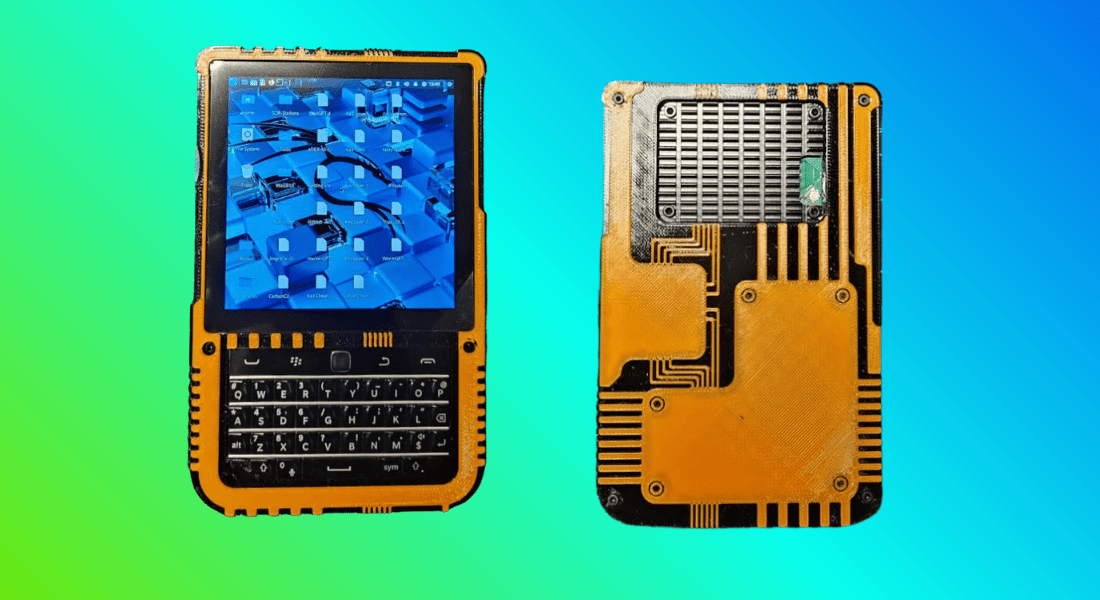
Designed by Zitao, an engineering student at the Technical University of Dresden, the Hackberry Pi CM5 is a testament to the power of community-led design. Featuring a 4-inch 720×720 touchscreen and a repurposed BlackBerry keyboard, it is a dream for terminal-based workflow enthusiasts. The ability to remap keys via Vial provides an unparalleled level of customization, while the CM5’s quad-core Cortex-A76 processor ensures that it is more than just a toy—it is a functional mobile workstation.
2. PocketTerm 35: The Pragmatic Approach
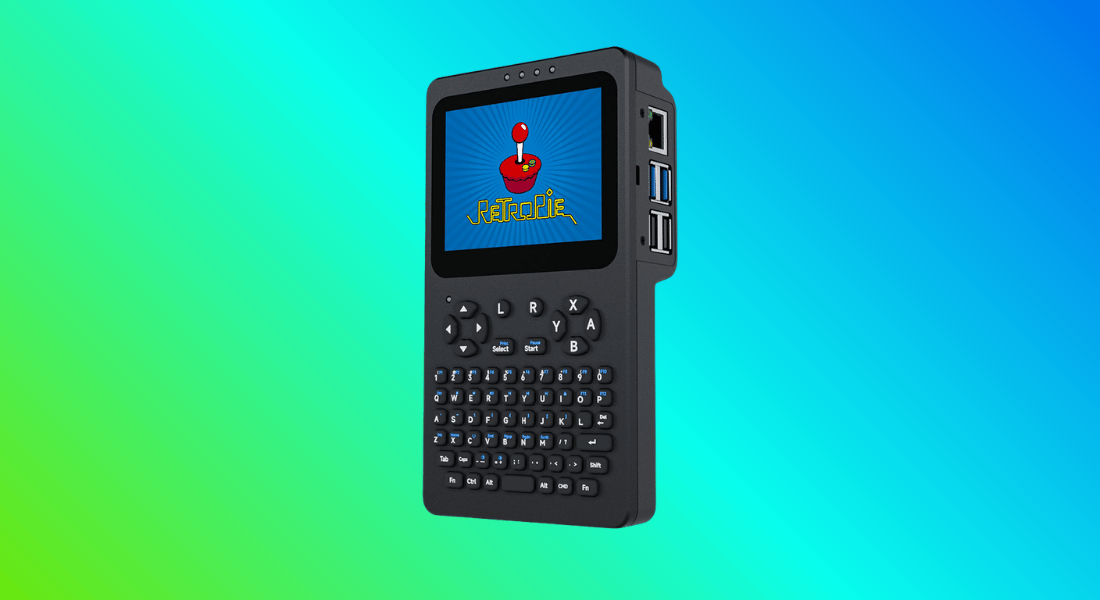
Waveshare’s PocketTerm 35 is arguably the most approachable entry point for those already invested in the Raspberry Pi 4B or 5 ecosystem. By utilizing a standard board rather than a Compute Module, it allows users to utilize existing hardware. Its durable aluminum faceplate and integrated RP2040 controller (which manages inputs and display brightness) make it a reliable companion for command-line tasks on the go.
3. Pi Slate: The Cybersecurity Specialist
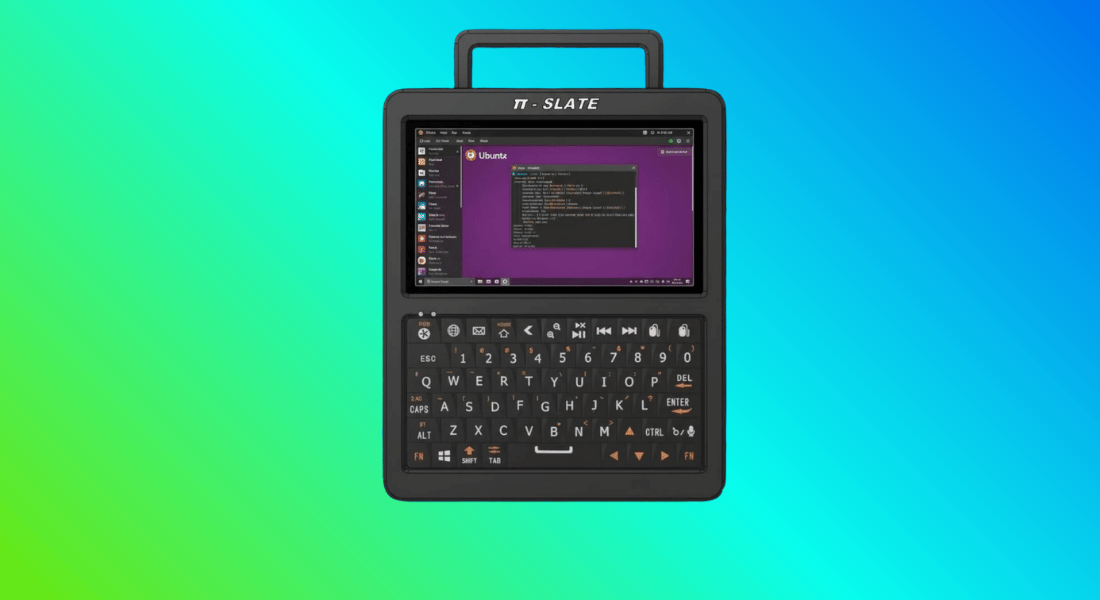
Carbon Computers has positioned the Pi Slate as a dedicated tool for cybersecurity professionals. Unlike consumer tablets, the Pi Slate includes integrated antenna mounts, allowing users to attach specialized radio modules for LoRa, GPS, or Software Defined Radio (SDR) without compromising the structural integrity of the chassis. With a 1920×720 display and a gyroscopic cursor, it is designed for precision and efficiency in the field.
4. uConsole: Modular Versatility
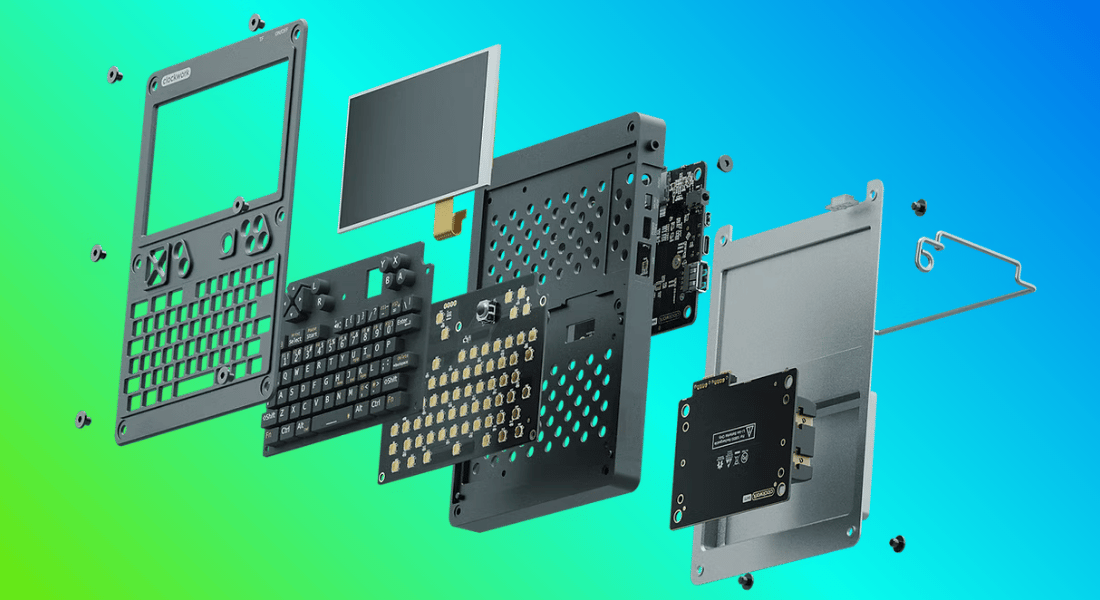
The uConsole by ClockworkPi stands out for its "core-agnostic" design. By allowing users to swap out modules, it future-proofs the device against evolving hardware standards. Its inclusion of a trackball and a dedicated D-pad makes it a hybrid device—equally capable of compiling code in a Linux terminal and running emulated retro-games with satisfying tactile controls.
5. Cybert.: The DIY Enthusiast’s Project
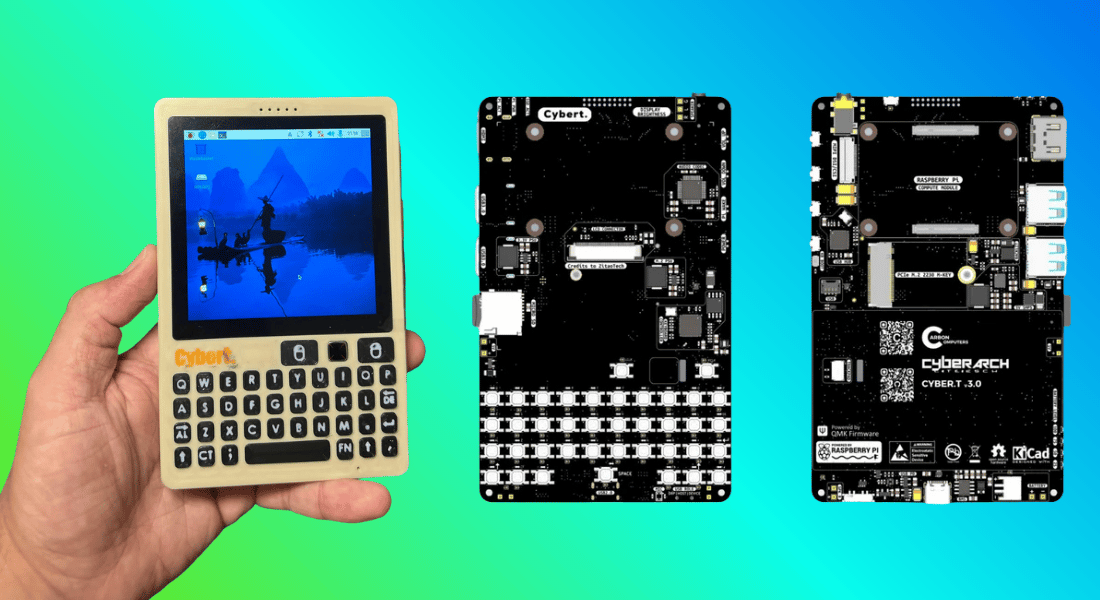
Representing the "v3.2" iteration of a long-standing design, the Cybert. is intended for the builder who wants complete control. It is a bare-PCB experience that requires the user to source their own display, battery, and Compute Module. It is a niche, high-performance platform that demonstrates the extreme end of what is possible when one builds around a CM5.
6. SpecFive Strike: The Tactical Edge
The Strike is the only device on this list that ships with a native SX1262 LoRa radio. This makes it a crucial piece of gear for Meshtastic networks and tactical mapping using ATAK (Android Team Awareness Kit). It serves a specific, high-stakes market that requires off-grid communication and mapping capabilities in a portable format.
Official Perspectives and Industry Implications
The Raspberry Pi Foundation has maintained a neutral but supportive stance toward these independent manufacturers. By providing the documentation and the hardware (Compute Modules) necessary to fuel these projects, the Foundation effectively fosters an ecosystem that they would otherwise lack the resources to build themselves.
However, these handhelds represent more than just a clever use of parts. They signify a shift in consumer behavior:
- Digital Sovereignty: Many users of these devices are driven by a desire to step away from locked-down, proprietary mobile ecosystems. A Pi-based handheld runs standard Linux, meaning the user has total control over their software, security, and data.
- Hardware Longevity: Unlike mainstream smartphones, which are often discarded after three to four years, these modular devices allow for individual component upgrades. If a better Compute Module is released, the user simply swaps the core, keeping the rest of the chassis and peripherals intact.
- The "Right to Repair" Movement: These devices are inherently repairable. Because they are often sold as kits or built with standard screws and accessible ports, they serve as a practical application of the Right to Repair philosophy, pushing back against the "glue-heavy" manufacturing techniques of modern tech giants.
The Future of Portable Computing
The emergence of these devices poses a challenge to the traditional laptop and tablet market. While they cannot compete with the raw power of a high-end MacBook or the polish of an iPad, they offer something arguably more valuable to a growing segment of the population: transparency and modularity.
As we look toward the next generation of Compute Modules, we can expect to see even more specialized handhelds. We are likely to see the integration of advanced AI accelerators (NPU modules) into these portable frames, enabling edge-computing tasks that were previously impossible on a mobile device.
In conclusion, the Raspberry Pi-powered handheld market is no longer a collection of "science fair projects." It is a thriving, professional-grade sector of the hardware industry. Whether you are a security researcher requiring an off-grid radio, a developer who needs a terminal in your pocket, or a hobbyist who values the freedom of open-source hardware, the current generation of Pi-based handhelds provides a compelling argument that the best computer is one you can build, control, and repair yourself.
